Analytics integration app for multiple Shopify stores
Discover how we developed an app to integrate Snowplow analytics with multiple Shopify+ stores, resulting in a +75% conversion rate and +100% usability.

Project details
-
Team
Tech Lead, 2 Full Stack Developers, QA, Project
Manager, Account Manager -
Technologies
PHP, Laravel, MySQL, Redis, AWS, ReactJS,
Shopify Polaris, Shopify liquid, Shopify API -
Time
2 months
-
The task
Develop an app to integrate Snowplow analytics service with multiple Shopify+ stores.
Results
-
+75%
conversion rate
-
+100%
usability
-
+92%
code quality
About the business
The client is a major player in the field of eCommerce consulting. Besides, the client manages websites for many global brands.
Challenges and solutions
Initially, the customer required a team of eCommerce experts to create a public app for integrating the Snowplow service with customer’s Shopify websites.
The integration had to be implemented on several high-profile companies’ websites, including Steve Madden. So, we proposed to develop a public app for configuring all accesses and integrating Shopify and Snowplow. This app will collect and send data when a specific event occurs.
In this case, however, the public application was not a suitable solution due to the customer’s needs.
Discovery
Before the work started, we held a few sessions with specialists carrying out this kind of integration manually on one of the customer’s websites. We have carefully studied the Snowplow documentation and figured out what events should be tracked.
About the app
The analytics are gathered based on standard eCommerce events: viewing a product, adding an item to a cart, checkout, leaving the website, browsing, and many others. Once these data have been processed by Snowplow, they are passed on to store owners for commercial purposes.
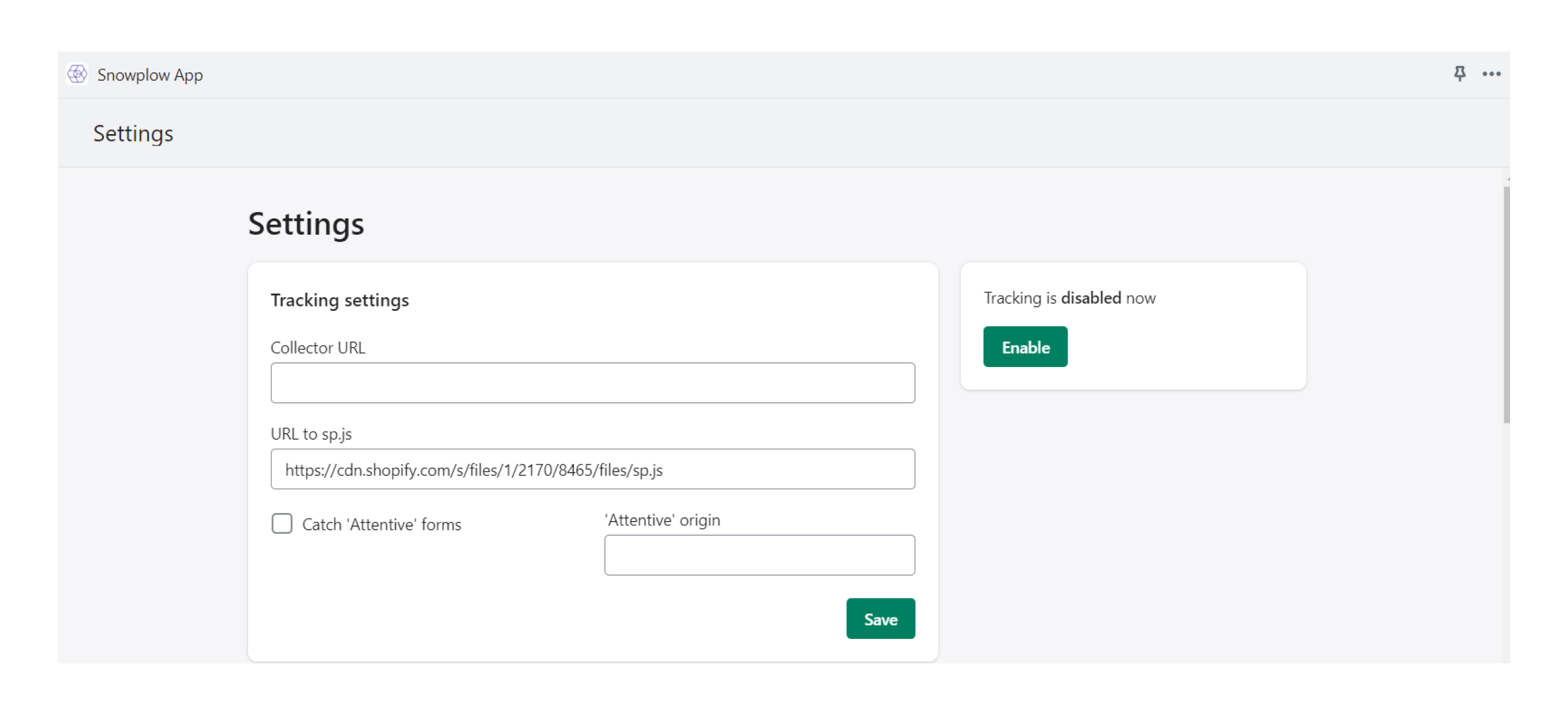
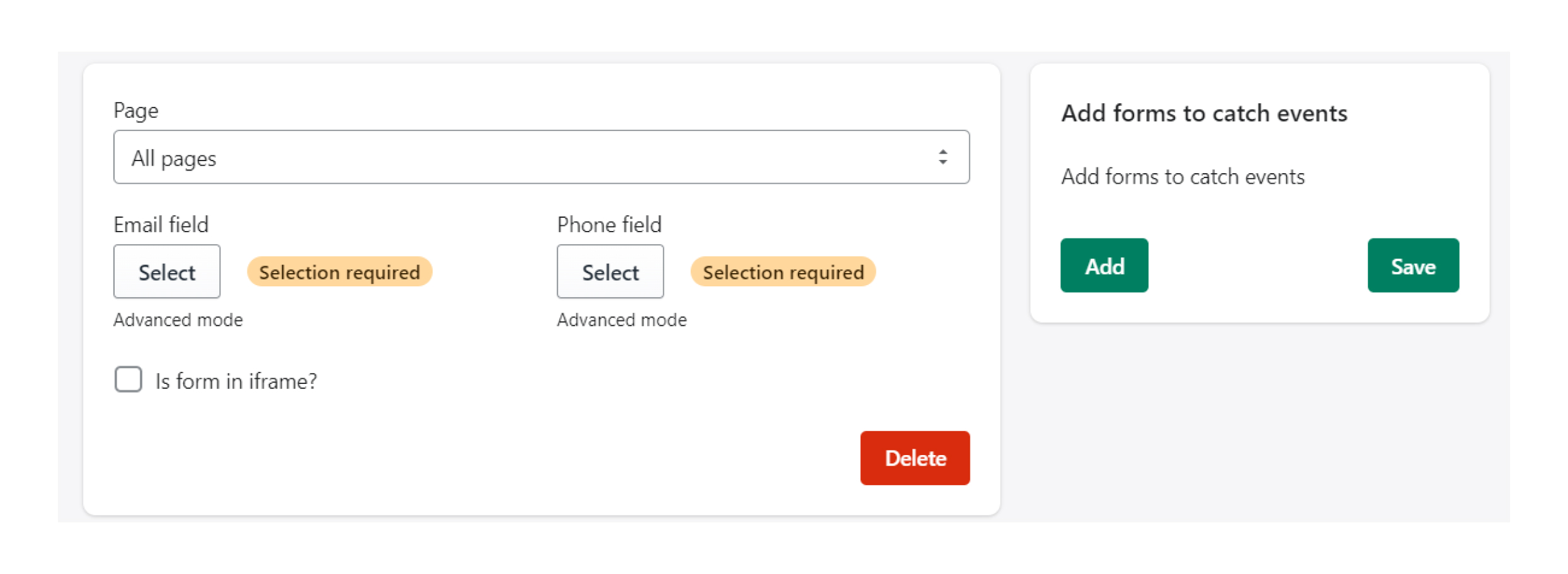
Analytics collection and processing
Ring configuration, price, and visuals should be transferred to the order. Taking into account that the price in the Price product is not actual, but instead taken from a service configurator, we employed the DraftOrder API to transfer it. When a DraftOrder is created, all ring details are added as Shopify order properties. Then, ring properties are displayed on the checkout page, including links to ring images, prices, and basic ring characteristics.
Summary
It was crucial for the customer to collect all the relevant data from various large Shopify websites, particularly those with a significant inventory of over 40,000 products. And we successfully met the challenge by offering an out-of-the-box solution and ensuring a seamless connection between the analytics collection service and the customer’s Shopify stores.
Have a similar project in mind?
Tell us how you sell and what breaks today. We’ll come back with questions and a clear next step.